

In-home puppy training
Puppy Training Sacramento
Private, in-home puppy training for new puppy owners
Our in-home puppy training in Sacramento starts the day your puppy comes home. Your puppy trainer comes to you and works one-on-one with your puppy and your household, so the habits you build in your own kitchen, backyard, and neighborhood are the ones that last. Most new puppy owners start with Furst Steps, our six-session puppy obedience training package.
- ♥Potty training that finally clicks, with a schedule you can stick to
- ♥Puppy biting and nipping under control, with a plan for how to stop puppy biting
- ♥Puppy socialization done right, during the critical window, even before they’re fully vaccinated
- ♥Crate training, jumping, pulling, and the everyday basics
- ♥A calm, confident puppy — and a calmer you
30 minutes, on us — no pressure, no commitment — just a real conversation about your puppy.
Perfect for new puppy owners.
🐕
Ideal for building good habits early — potty training, socialization, biting, and manners.
🐕
Set your puppy up for a lifetime of better choices.
🐕
Perfect for new puppy owners. 🐕 Ideal for building good habits early — potty training, socialization, biting, and manners. 🐕 Set your puppy up for a lifetime of better choices. 🐕

Walk Away with a Great Start
A puppy who's learning the right habits from the very beginning — and an owner who feels confident, not overwhelmed.
The early weeks shape everything. Start them off right, and you set up a lifetime of good choices together.
Step by step
How Puppy Training Works
Private, in-home, and built around your puppy.
-
Private · In-home
We come to you
Puppy training at Wholistic Canine is private and in-home. We come to you, because your puppy’s habits are forming in your kitchen, your backyard, and your neighborhood, not in a classroom. Every program starts with getting to know your puppy and your household, then building a plan around what you actually need.
-
6 sessions · 2 months
Most puppies start with Furst Steps
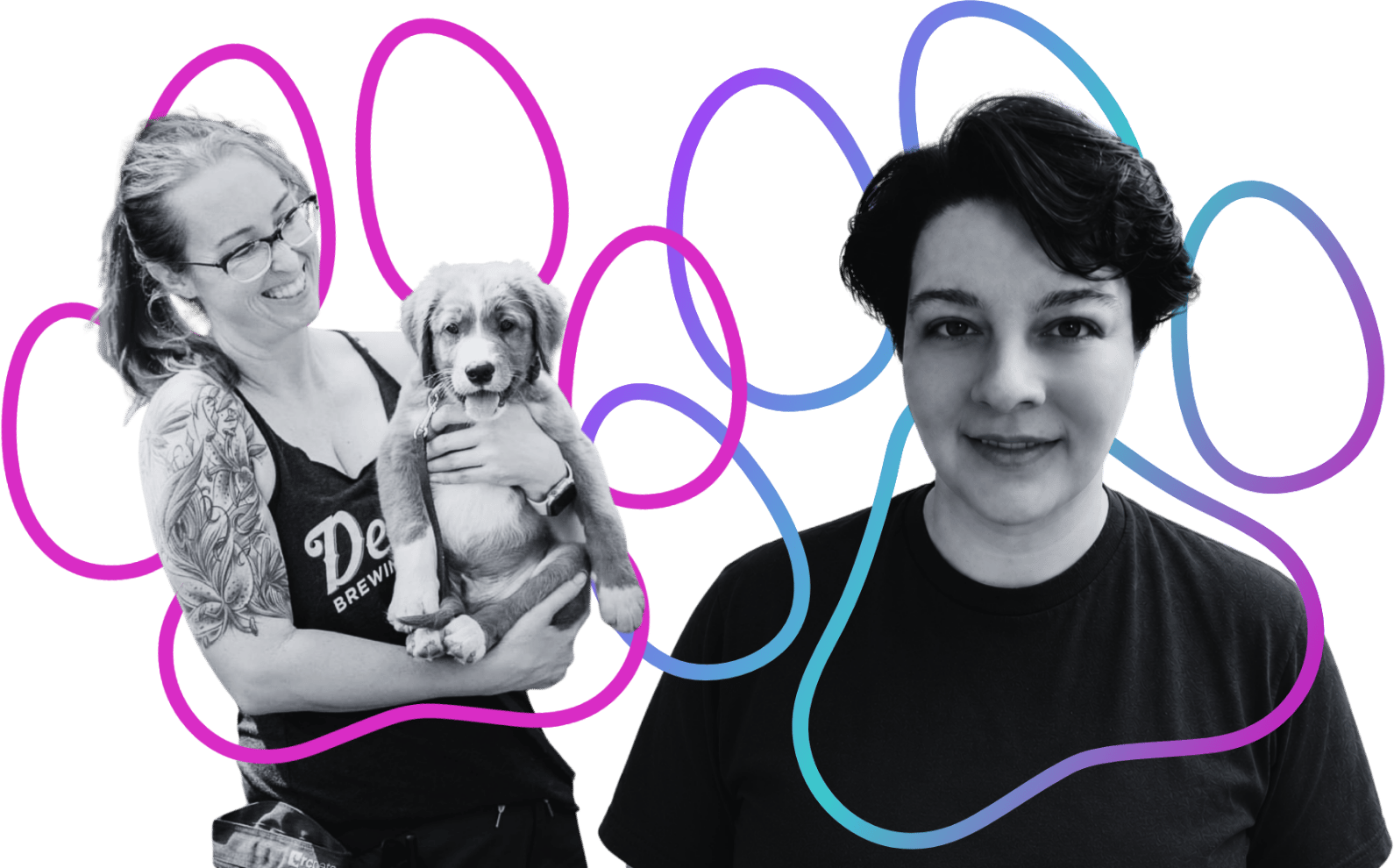
Furst Steps is our six-session puppy package, led by Mitch or Terra — built for the critical window, with all six sessions completed within two months. You’ll build skills through clear communication and relationship, with step-by-step coaching between sessions so you’re never guessing what to do next.
-
Free · No pressure
Not sure where to start?
Book a free intro call. We’ll talk through what’s going on with your puppy and tell you honestly what makes sense.
Pricing
What It Costs
Furst Steps $650 — 6 sessions Six private, in-home sessions, completed within two months — the package most new puppy owners need, and it’s the same price on our package page, with no surprises. Dog day training $1,260–$2,100 — packs of 6, 8, or 10 visits Busy schedule? Our dog day training package, Furtastic House Rules, gives your puppy training visits — and a break in the day — while you’re at work. Consultation $150–$200, depending on your trainer If your puppy came home with bigger challenges, such as fear, extreme shyness, or trouble settling, we may recommend a Consultation first so we can build the right plan.Financing is available.
Book a Free Intro CallStraight answers
Puppy Training FAQs
Biting, potty training, socialization, and the questions every new puppy owner asks at 2 a.m. Straight answers, no judgment.
Getting Started
When should puppy training start?
The day they come home. Training doesn’t only mean teaching commands. It means helping your puppy learn how to navigate the world, and that starts immediately. Sometimes puppies come to us younger than eight weeks: foster situations, singletons, dogs found after an accident or a disaster. Whatever day you get your dog is the day we can start helping.
Is it safe to socialize my puppy before they’re fully vaccinated?
Yes, and you should start right away. Owners get contradictory advice on this, so here’s the key: socialization doesn’t mean your puppy’s paws have to touch the ground, and it doesn’t mean meeting other dogs. It means seeing, hearing, and smelling new things safely. Pop your puppy in a backpack and go wander a store, or pull them around the neighborhood in a wagon. It’s the most fun thing you can do with a young puppy, and it builds a confident adult dog.
Are puppy training classes worth it, or should I start with private sessions?
Private lessons, always, and we don’t offer puppy group classes at all. That’s deliberate. Traditional puppy socialization classes put your puppy in with whatever dogs happen to be enrolled, and we’re seeing more and more that puppies don’t do well when the dogs they’re meeting aren’t the right dogs for them. Starting private lets the trainer learn you and learn your puppy first. Then, when your puppy is ready to meet other dogs or new people, we build that into a session, at the right time, with the right dogs. Our group classes are for dogs who already have a foundation, and that’s where your puppy graduates to when they’re ready.
I work full-time. Can you train my puppy while I’m at work?
Yes — that’s exactly what our dog day training package, Furtastic House Rules, is for. The trainer comes to your home and works with your puppy while you’re out, then sends you a written report or video guide the same day with your homework. It’s a lot of active work, and we’ll set up a solid daily schedule and routine that you’ll need to follow. If you’re brand new to homework and routines, Furst Steps builds that foundation with you directly first.
The Hard Parts
How do I stop puppy biting?
Always engage your puppy with a toy they can have in their mouth, and if they’re not interested in that toy, find one they are interested in. If they’re overstimulated, overtired, and crabby, help them take a break and self-regulate, whether that’s a crate, a pen, or a quiet spot. Here’s the thing to understand: they’re biting because they don’t know what else to do. Our job is to show them their other options. Read our full guide to puppy biting.
How long does potty training take?
Plan to focus hard on it for the first few months you have your dog. Some breeds are harder than others; toy breeds are typically much harder than larger breeds. The single most important thing is a schedule: make one, and stick to it. Consistency does more than any product or trick you’ll find online. Here’s the potty training schedule we give clients.
My puppy is destroying everything. Is that normal?
Completely normal. It’s a toddler in your house, and expecting no mess isn’t realistic. What works is being there with your puppy, micromanaging in the early weeks and guiding them toward better choices, rather than waiting to find out what got chewed while you weren’t looking.
Crates and Structure
Should I crate train my puppy, and can you help?
Yes on both. Crate training gives your puppy a safe place to rest and self-regulate, and it makes almost everything else easier. If you’ve just brought a puppy home and want to work through a puppy program, we can help with crate training directly, or we can walk you through doing it yourself. If you’re gone during the day, crate work can also be part of your puppy’s day training visits.
Still wondering about something? Book a free intro call and ask us anything.
5 stars by 100+ customers
“I requested in home training but rather than charge me for that, i was given instructions over the phone to see if that would solve the problem.
So just love that they were not just after my money but were more interested in solving my problems.
I would not hesitate to recommend and will always use this service again.”
— Robert C.